
At a glance
- 130-year-old property, not listed but restored using period features, in a conservation area.
- Solar PV not possible; a large battery bank was installed in a disused outbuilding.
- An R290 high-temperature air-source heat pump retained many existing period-style radiators.
- Poorly sized rooms had radiators upsized or additional radiators added.
The challenge
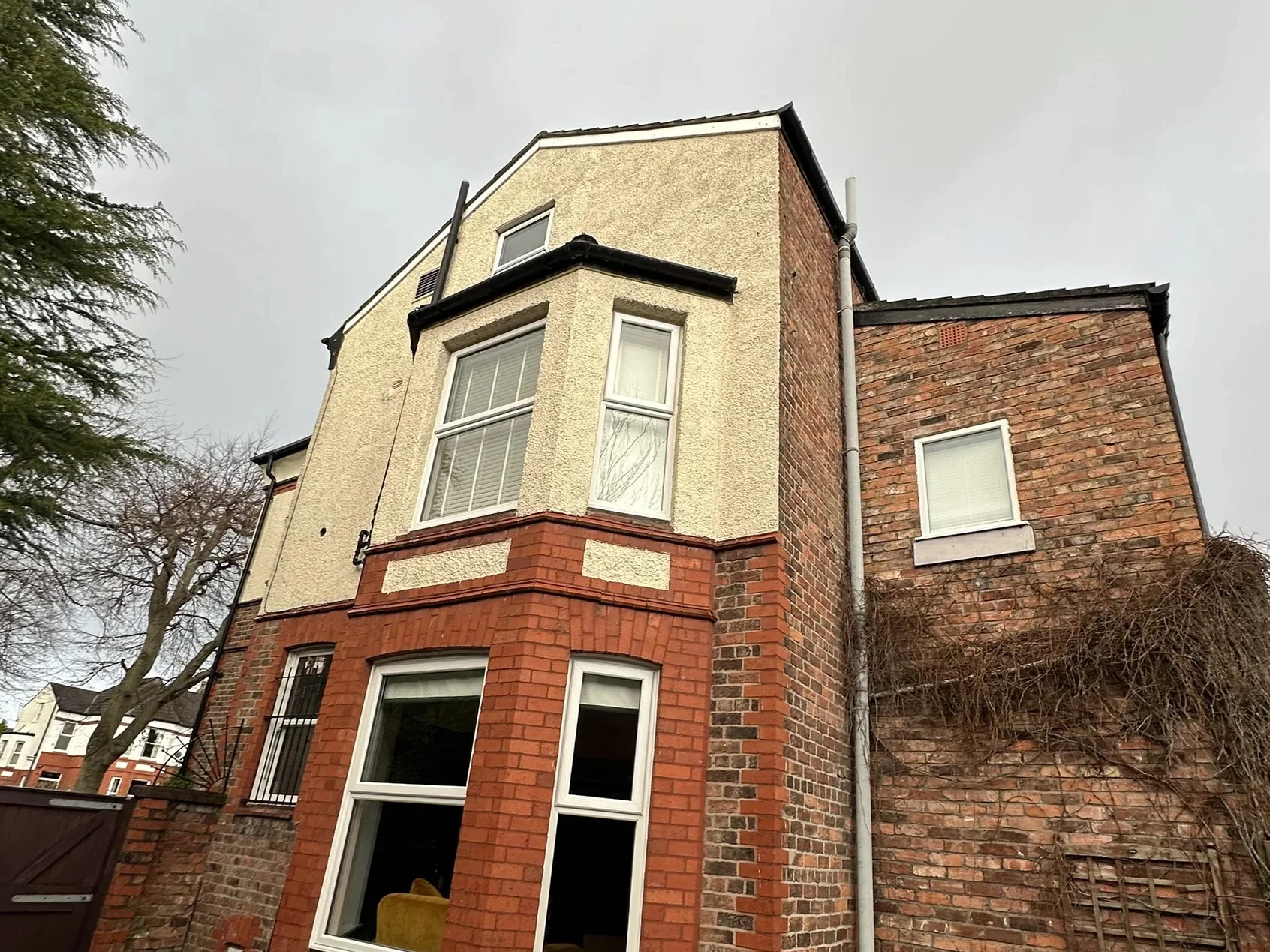
The homeowner felt this 130-year-old property would benefit from moving away from fossil fuel towards renewables, if this could be achieved with minimal disruption to the aesthetics of the home. The home was not listed but had been restored and decorated tastefully using period features.
Located within a conservation area, close attention needed to be paid to where the outdoor unit would be located.
What was assessed and done
Heat-loss results were high, as expected for a property of this age. Because of the restrictions and the aesthetic impact, solar PV was not possible on this project. Instead, the installer worked with the homeowner and the DNO to install a large bank of batteries in a disused outbuilding. This gave the homeowner the ability to fully charge the batteries on an off-peak tariff and then supplement the cost of running a heat pump during the day when electricity prices are highest.
A suitable R290 high-temperature air-source heat pump was chosen. It could not only deliver enough power to match the heat loss of the property, but also run at a flow temperature that meant many of the existing period-style radiators could be utilised within the property.
Rooms that had previously performed poorly due to inaccurate sizing of emitters either had the radiators replaced with larger sizes, or, where the homeowner requested, an additional radiator was installed in the room to help achieve a more consistent and stable temperature across all rooms in the property.
Outcome
The property moved off fossil fuels to a renewable system without disturbing its restored period appearance. The heat pump matched the building's heat loss, the existing emitter layout was largely retained, and off-peak battery charging was used to offset running costs.
What this shows
A high-heat-loss period home in a conservation area can still move to renewables when the options are worked through properly. Where solar PV is not possible, battery storage on an off-peak tariff can support heat-pump running costs, and a high-temperature heat pump can preserve many existing period-style radiators. Accurate room-by-room sizing matters: emitters that were originally under-sized can be corrected as part of the same project. A heat-loss calculation is the basis for these decisions, not a guarantee of bills or comfort.