
At a glance
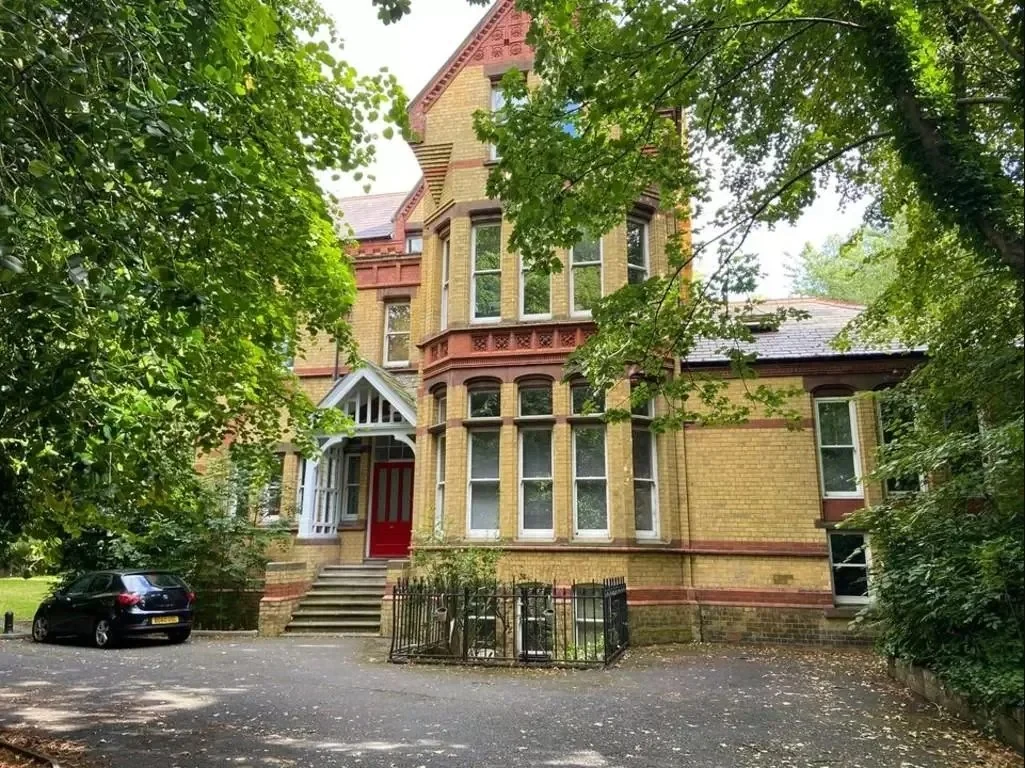
- Conversion of a traditional park-side 4-storey house in Aigburth, Liverpool, into multiple high-end apartments.
- Design-stage L1b SAP calculations modelled U-values to give clear fabric guidance.
- A predicted EPC (PEA) let the developer see the expected rating at completion.
- Focus on a comfortable EPC position in the rental sector.
The challenge
This project was the conversion of a traditional park-side 4-storey house in Aigburth, Liverpool, into multiple high-end apartments.
With the focus on improved EPC scores in the rental sector, the landlord and developer wanted to ensure that the property was comfortably compliant for years to come.
What was assessed and done
L1b SAP calculations were completed at the design stage to model U-values and give clear guidance for the developer. This helped with decisions about whether certain fabric elements could remain unchanged, or where upgrades were required and to what extent.
Alongside the SAP calculations, a predicted EPC (PEA) was produced so the developer could see what the EPC rating would be once the build is complete.
At the design stage, this matters because options remain open: insulation can be increased, windows can be upgraded and heating systems can be changed in order to meet the desired target.
Outcome
The developer received design-stage SAP information and a predicted EPC rating for the completed conversion, alongside clear guidance on which fabric elements could remain and which needed upgrading. This gave the project a basis for targeting a comfortable EPC position before the specification was fixed.
What this shows
When a property is converted for the rental sector, EPC compliance is easier to plan at design stage than to correct afterwards. Modelling U-values early shows which fabric elements can stay and which need upgrading, while a predicted EPC gives a clear picture of the expected result before construction. At that point insulation, glazing and heating choices can still be adjusted to hit a target. The SAP output is evidence for those design decisions, not a guarantee of a final rating, which depends on the details built on site.